
Journal · Cuisine
Fusion Done Right: Japanese Technique, Global Flavor
“Fusion” has had a mixed reputation, usually because it meant piling unrelated ingredients on a roll and calling it creative. Done well, the opposite is true: the technique stays rigorous and Japanese, and the flavors are allowed to travel.
Start with the fundamentals
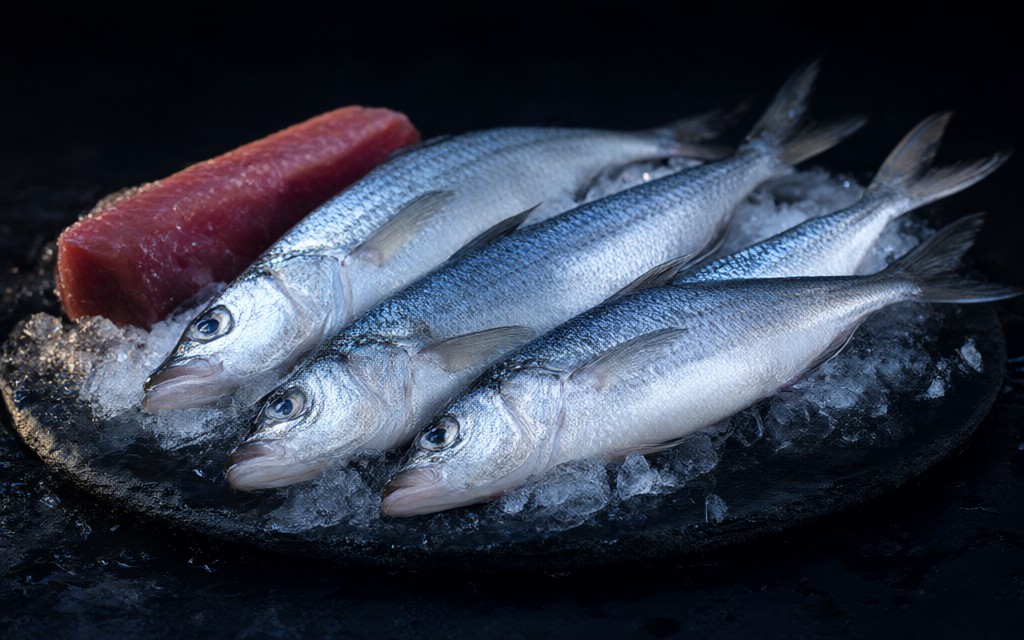
Everything begins with rice seasoned correctly, fish cut with a sharp, clean stroke, and temperature handled with care. Without that foundation no sauce or topping can rescue a plate. With it, you can add almost anything.
Three ideas we keep coming back to
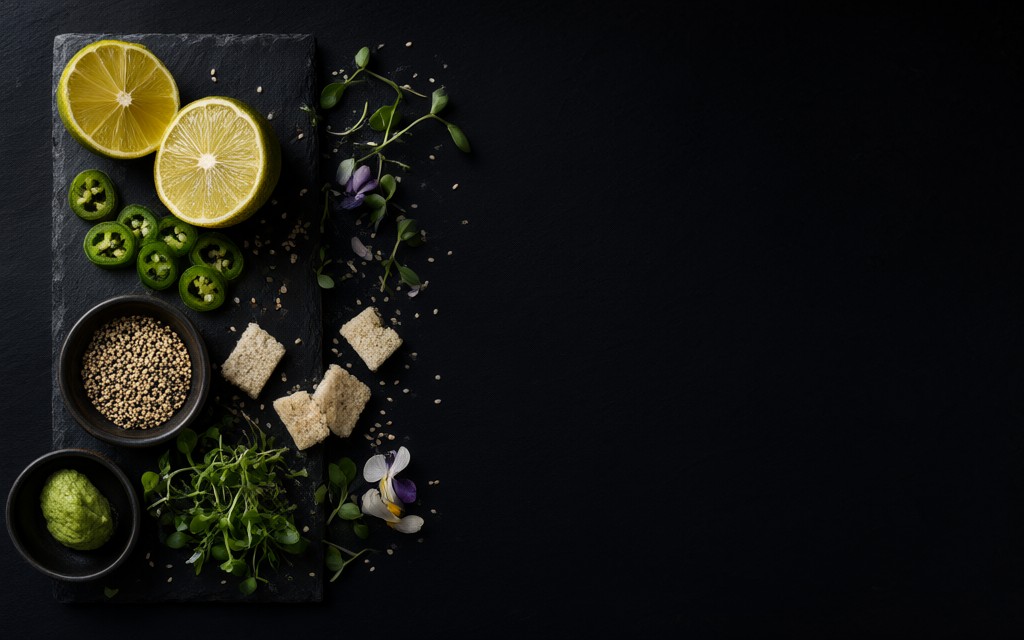
Texture contrast. Crispy rice under silky tuna, a crunch of tempura beside a soft avocado, a snap of fresh jalapeño against rich sauce. The mouth stays interested from the first bite to the last.
Acid and heat in balance. Yuzu and ponzu bring brightness; chili and ginger bring warmth. Used with restraint they lift fish rather than cover it.
Sharing as the format. A tapas-style menu lets a table taste across the whole range — tataki, gyoza, robata skewers, a roll or two — instead of committing to one plate each.
Fusion is a conversation between traditions, not an argument.
Why it works for everyone at the table
Because the base is clean and the dishes are built to share, people with very different tastes find their plate: the purist who wants a single piece of nigiri, the guest who loves a bold roll, the vegetarian who orders the vegan rolls and tapas. Everyone eats well, together.