
Journal · Seasons
Autumn on the Plate: How Japanese Cooking Welcomes a New Season
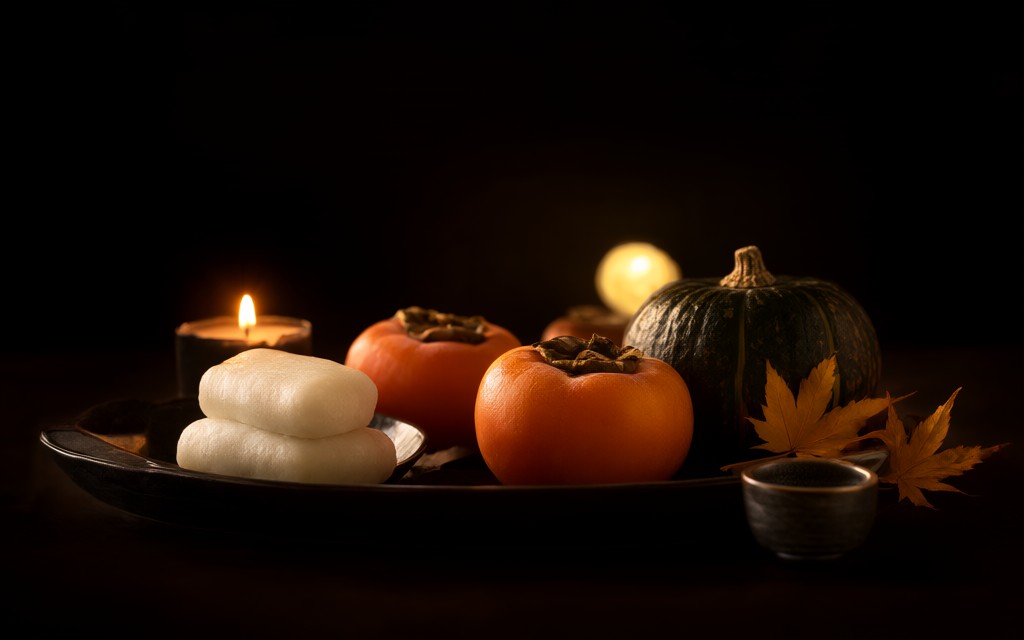
In Japan the calendar is not twelve months but dozens of micro-seasons, and the kitchen follows them closely. The idea has a name — shun — the short window when an ingredient is at its most flavorful. September sits right on the hinge between summer and autumn, and you can taste it on the plate.
Lighter heat, deeper flavor
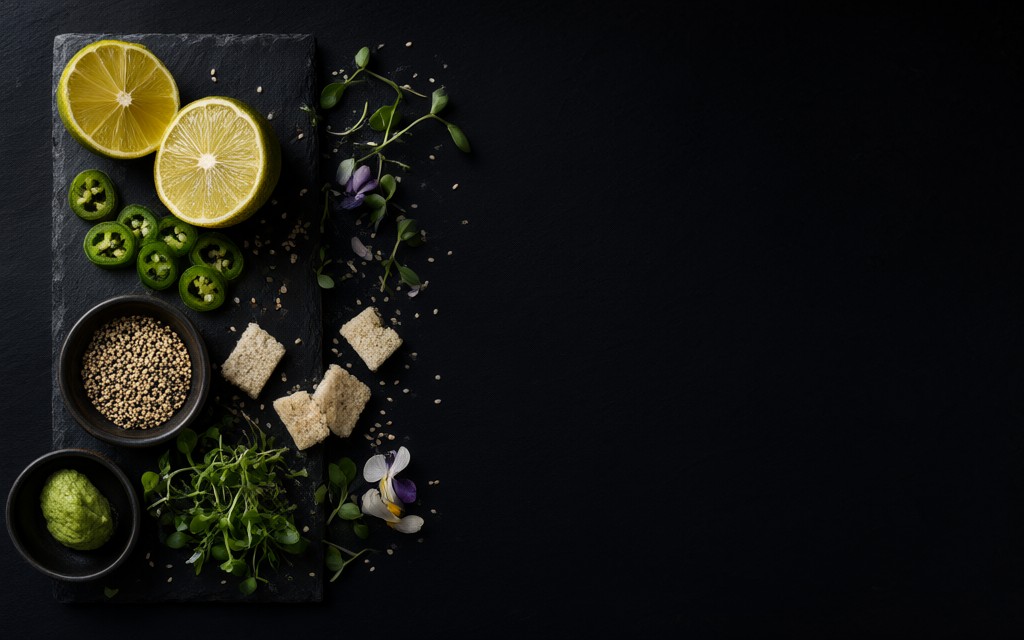
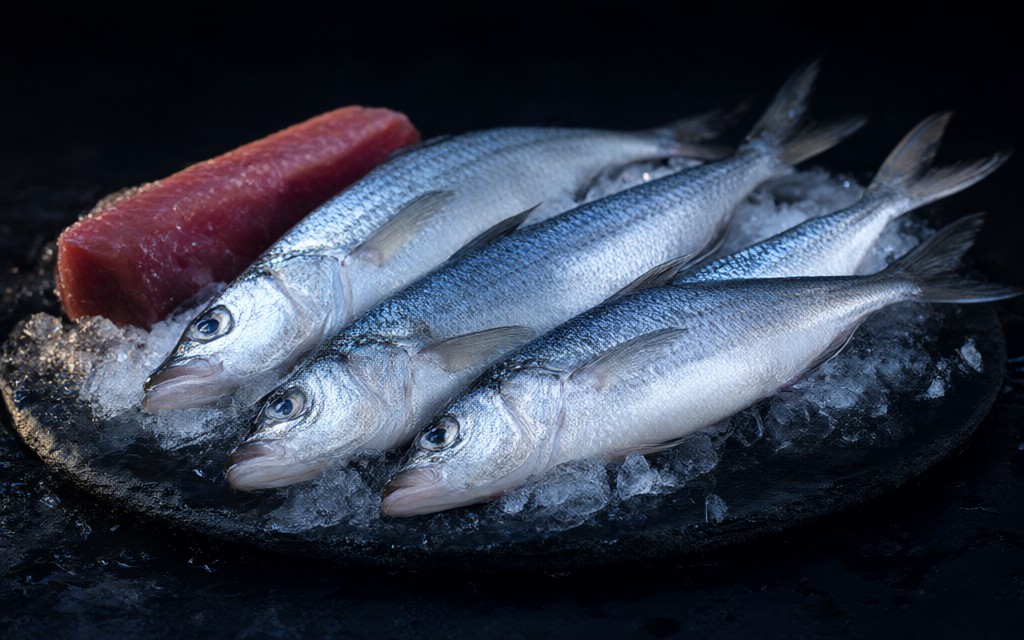
Late summer is about clean, cooling dishes: cucumber, citrus, crisp greens. As the nights cool, cooks reach for richer textures — roasted squash, glossy glazes, a little more sesame and miso. Fish gets fattier as the water cools, which is why autumn is prized for silky, buttery cuts served simply with a touch of salt or citrus.
Restraint is a technique. The best plates say less, and say it precisely.
The harvest moon table
Tsukimi, the tradition of moon viewing, falls around the autumn full moon. The table is deliberately modest: round white dumplings that echo the moon, seasonal fruit such as persimmon, and a quiet pour of sake or tea. It is a good reminder that Japanese hospitality is less about abundance than about attention.
How this shapes our kitchen
We borrow the discipline, not the costume. Fish is cut to order, sauces are balanced rather than heavy, and every plate is composed with space around it so the main ingredient is never crowded. Expect the menu to lean a little warmer as the season turns — more char, more glaze, the same clarity.
Come by for an early autumn dinner and let the chef guide you through the counter.